The Complete Beginner’s Guide to Dental Emergency Aurora
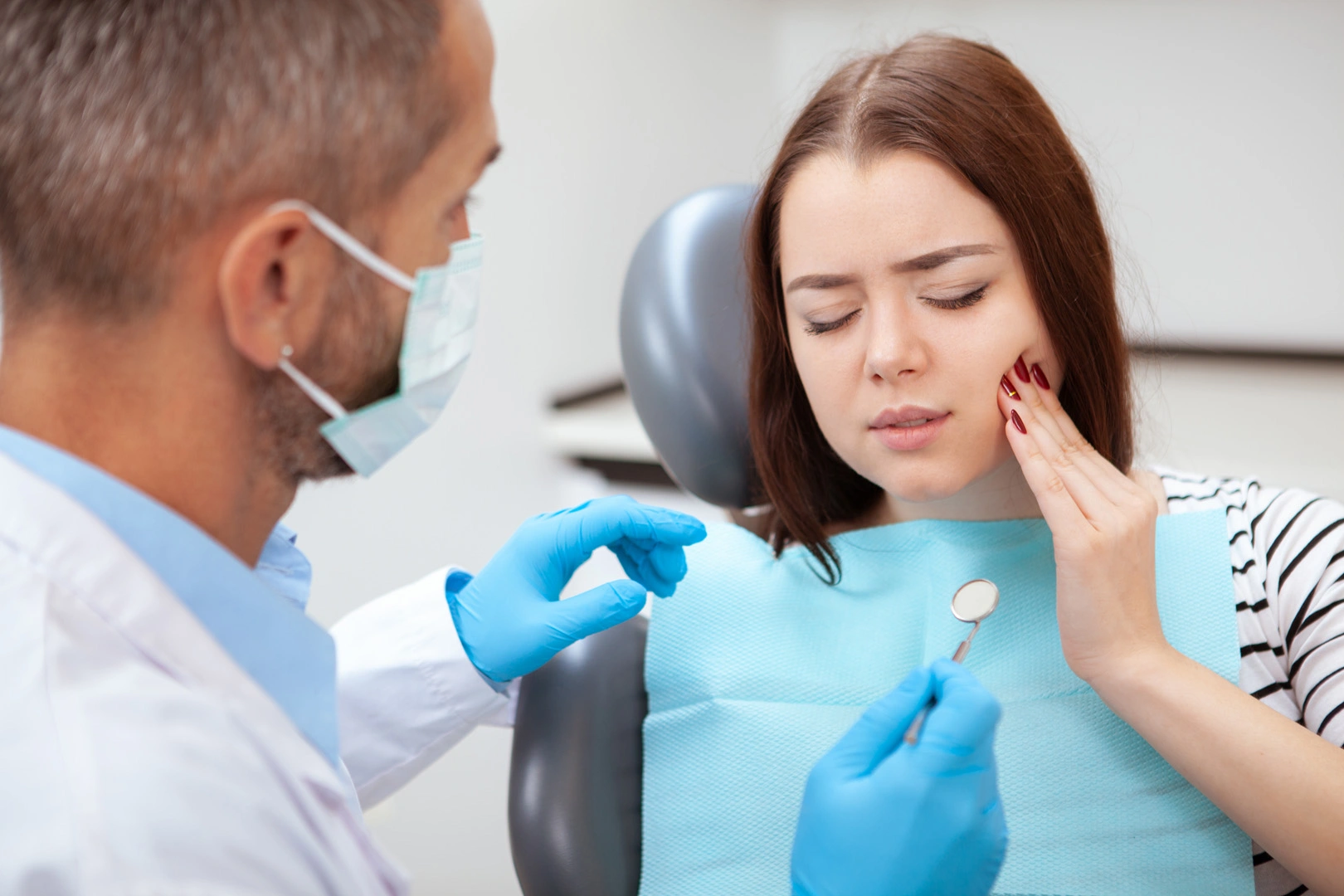
A dental emergency has a way of rearranging an ordinary day in minutes. One sharp crack while eating lunch, a swelling that appears overnight, a child who falls at the playground and chips a front tooth, a crown that comes loose before a work presentation. Most people do not think much about emergency dentistry until they need it, and by then they are often in pain, short on time, and unsure how serious the problem really is.
That uncertainty is often the hardest part. Some situations clearly demand fast care, such as uncontrolled bleeding or a tooth that has been knocked out. Others sit in a gray area. Is a lost filling urgent, or can it wait? What if a toothache comes and goes? What if your face looks puffy but the pain is mild? If you are searching for help with a Dental Emergency Aurora situation, the goal is not simply to find a clinic. It is to understand what needs immediate attention, what you can do safely at home, and how to protect your teeth and overall health until you are seen.
Emergency dental care is not only about pain relief. It is also about saving teeth, preventing infection from spreading, preserving restorations, and reducing the chance that a small problem becomes an expensive one. A cracked tooth caught early may be repaired with a bonded restoration or crown. The same tooth, ignored for a week while you chew on it, can split deeper and require root canal treatment or extraction.
What counts as a dental emergency
A true dental emergency is any issue involving the teeth, gums, jaw, or surrounding tissues that needs prompt professional attention to stop bleeding, relieve severe pain, control infection, or save a tooth. That definition is broad because dental problems do not always arrive neatly labeled. Some emergencies are dramatic. Others seem minor at first and worsen quietly.
Severe tooth pain that keeps you awake is one common example. Pain strong enough to interrupt sleep, eating, or normal concentration is rarely something to brush off. It often points to inflammation inside the tooth, an abscess, trauma, or an advanced cavity that has reached the nerve. Swelling is another major warning sign, especially if it involves the face, gums, or jaw. Swelling can indicate infection, and dental infections can spread into nearby tissues with surprising speed.
Traumatic injuries also fall into this category. A broken, displaced, or knocked-out tooth should be treated as time-sensitive, even if the bleeding slows down quickly. The earlier a dentist can examine the injury, the better the odds of saving structure and preventing future complications. Soft tissue injuries matter too. Cuts to the lips, tongue, or gums can bleed heavily, and some need stitches or evaluation for hidden tooth fragments.
Then there are situations that are not life-threatening but still deserve same-day or next-day attention. A lost crown, a broken denture, a loose dental implant crown, or a cracked molar may not send you to the emergency room, but they can still interfere with eating and leave the tooth vulnerable.
When it is not just a dental issue
One of the most important distinctions for beginners is knowing when to call a dentist and when to seek urgent medical care. Dentists handle a wide range of emergencies, but some symptoms point to a medical emergency first.
If swelling is affecting your breathing or swallowing, if you have a high fever with facial swelling, if there has been major trauma to the face or jaw, or if bleeding will not stop after firm pressure, you may need urgent medical evaluation immediately. A dental office can guide you, but in those situations time matters more than convenience.
The same goes for suspected jaw fracture, loss of consciousness after facial injury, or deep lacerations. Dental pain can be intense, but airway problems, uncontrolled bleeding, and severe trauma take priority.
The emergencies people most often ignore
In practice, the cases that cause the most trouble are not always the dramatic ones. They are the ones people postpone because the symptoms wax and wane.
A throbbing molar that calms down with ibuprofen may still have an active infection. A chipped back tooth that does not hurt may expose weaker structure and crack further under pressure. A pimple-like bump on the gum, often called a gum boil, can drain intermittently and make the area seem better, even though the infection remains.
I have seen patients wait because the pain “wasn’t constant,” only to arrive several days later with visible facial swelling. I have also seen people dismiss a fractured tooth because it was “just a little piece,” then return when the remaining walls of the tooth finally gave way during dinner. Teeth usually offer a window for repair before they fail completely. Emergency dentistry works best when that window is still open.
The most common signs you should call right away
The easiest rule is this: if you are asking yourself whether it can wait, contact a dental office and describe exactly what is happening. Front-desk teams in practices that handle Dental Emergency Aurora cases hear these questions every day, and a clear description helps them triage you properly.
Here are five signs that usually justify urgent contact:
- Significant tooth pain, especially if it is throbbing, spontaneous, or keeps you from sleeping.
- Swelling of the gums, face, or jaw, with or without fever.
- A knocked-out, loose, or displaced adult tooth.
- A cracked or broken tooth with sharp pain, exposed inner layers, or bleeding.
- Persistent bleeding from the mouth after injury or dental work.
That list is not exhaustive. It is a practical starting point. A lost filling on a Friday afternoon may not look dramatic, but if the exposed tooth is sensitive to air and impossible to chew on, it deserves fast attention too.
What to do before you reach the dentist
The first hour after a dental emergency often shapes the outcome. Good first aid does not replace professional care, but it can reduce damage.
If a tooth is knocked out, handle it only by the crown, not the root. If it is dirty, rinse it gently with saline or milk if available. Plain water can be used briefly if nothing else is on hand, but avoid scrubbing. If possible, place the tooth back into the socket and hold it there gently. If that is not possible, store it in milk or saliva and get to a dentist immediately. Time matters here more than almost anything else in emergency dentistry.
If a tooth is broken, save any fragments if you can. Rinse your mouth with warm water and use a cold compress on the cheek to reduce swelling. If there is bleeding, bite on clean gauze. Sharp edges can sometimes be covered temporarily with dental wax from a pharmacy, but this is only a stopgap.
If you have severe tooth pain, rinse with warm salt water and take an over-the-counter pain reliever if you normally can take it safely. Do not place aspirin directly on the gum or tooth. People still do this surprisingly often, and it can burn the tissue without addressing the cause. Avoid very hot, very cold, or sugary foods, since they often trigger inflamed teeth.
If a crown comes off, keep it. In some cases it can be recemented if the fit is still good and the tooth underneath is intact. Over-the-counter temporary dental cement may help for a day or two, but never force a restoration back onto a painful or damaged tooth.
A simple five-step response works in most situations:
- Stay calm and check for bleeding, swelling, and signs of major trauma.
- Rinse gently with warm water to clear the area.
- Control swelling with a cold compress on the outside of the face, ten minutes on and ten off.
- Preserve any tooth, fragment, crown, or appliance that has come loose.
- Call a dentist immediately and explain when the problem started, your pain level, and whether there is swelling or trauma.
Those details matter. “My tooth hurts” tells a team very little. “Upper right molar, pain started last night, now throbbing and my cheek feels swollen” gives them a very different level of urgency.
How emergency dentists decide what to treat first
Patients sometimes expect that the first visit will solve everything in one sitting. Sometimes it does. Often, especially with acute infection or trauma, the immediate goal is narrower. Emergency care usually follows a practical sequence: diagnose the cause, control pain, remove immediate risk, and stabilize the tooth or tissue.
That might mean draining an abscess, prescribing antibiotics when appropriate, smoothing a sharp fractured edge, placing a temporary filling, or adjusting a bite that is aggravating a damaged tooth. In other cases, the definitive treatment happens right away, such as recementing a crown, splinting a loosened tooth, or extracting a non-restorable tooth.
The reason dentistry sometimes stages care is that teeth can be deceptive. A traumatic injury may look manageable at first, yet the pulp response over the next few weeks determines whether root canal treatment is later needed. A badly decayed tooth may be so inflamed that numbing it completely is difficult on day one, so the first appointment focuses on stabilizing the situation.
This is why a good emergency visit includes both action and a plan. If you leave with temporary relief but no understanding of the next step, you are likely to end up back in the same chair with a worse problem.
Toothaches, pressure, and hidden infections
Not every toothache is a cavity, and not every cavity hurts. That surprises many people. Teeth contain living tissue, and pain patterns vary depending on where the irritation is and how long it has been present.
A sharp zing to cold that disappears quickly may suggest exposed dentin or early decay. Pain that lingers after cold, worsens with heat, or starts on its own often raises concern for nerve inflammation inside the tooth. Pressure pain when chewing can point to a crack, a high filling, gum inflammation around the root, or infection near the tip of the root.
An abscessed tooth is especially important to recognize. Symptoms can include throbbing pain, swelling, bad taste, tenderness when biting, and a feeling that the tooth is “too high.” Yet some abscesses drain through the gum and become less painful, which tricks people into thinking the problem has resolved. It has not. The drainage simply lowered the pressure temporarily.
For anyone dealing with a Dental Emergency Aurora search because of swelling or severe pain, speed matters. The earlier a dentist can identify whether the source is decay, fracture, periodontal disease, or trauma, the more options you usually have.
Broken teeth are not all the same
People often use the phrase “I cracked a tooth” to describe several very different problems. A minor chip in the enamel of a front tooth is very different from a vertical fracture through a molar cusp. Both deserve evaluation, but the urgency and treatment differ.
Small chips may be smoothed or bonded. Medium fractures can require fillings, onlays, or crowns. Deeper breaks that expose the pulp may need root canal treatment before restoration. If the tooth is split below the gum line, extraction may be the only predictable option.
One important detail is whether the break changes how your teeth come together. If every bite lands directly on a fractured edge, the tooth is at high risk for further damage. Another is temperature sensitivity. Sudden strong reactions to cold, air, or sweets after a break often signal that the protective outer layer has been compromised.
Back teeth break more often than many realize, especially if they already carry large fillings. Old restorations, clenching, grinding, and chewing ice or hard foods all increase risk. The person who says, “It broke while I was eating something soft,” often had a tooth that had been weakening for years.
Lost fillings, crowns, and other restorations
A lost filling feels trivial until the exposed tooth catches cold air and sends a shock up the jaw. A lost crown can make a tooth look mangled overnight. These problems are common emergency visits, and outcomes are usually good when addressed promptly.
If a filling falls out, the tooth may be sensitive because dentin is exposed or because decay underneath weakened the original restoration. Temporary pharmacy materials can cover the area briefly, but they are not a long-term fix. Food packs into open spaces, bacteria move in quickly, and thin tooth walls can fracture if left unsupported.
Crowns deserve a similar level of respect. If the crown itself is intact, it can sometimes be recemented. If the crown came off because the underlying tooth has decayed or fractured, the treatment becomes more involved. Bring the crown to the appointment in a clean container. Even when it cannot be reused, it helps the dentist assess what changed.
Bridges, veneers, implant crowns, and dentures each have their own emergency issues, but the broad rule is the same: keep the piece, avoid do-it-yourself adhesives from the hardware aisle, and get professional advice before trying to live around it for weeks.
Children and dental emergencies
Children add another layer of complexity because parents have to judge both the injury and the child’s ability to describe it. A child may say a tooth “feels funny” when it is actually loose from trauma, or they may cry over a dramatic lip injury while the tooth damage goes unnoticed.
The first question with a child is whether the injured tooth is a baby tooth or an adult tooth. A knocked-out adult tooth is an urgent save-the-tooth event. A knocked-out baby tooth is generally not replanted because of the risk to the developing permanent tooth underneath. That distinction alone is a good reason to call a dental office rather than rely on guesswork.
Pay attention to bleeding, swelling, tooth displacement, and behavior changes. A child who refuses to bite, avoids one side of the mouth, or wakes at night after a dental injury needs evaluation. Even if the visible damage seems minor, trauma can affect the nerve or root in ways that are not obvious immediately.
The cost question people worry about
When pain hits, many people hesitate for financial reasons before they hesitate for medical ones. That is understandable. Emergency care can involve an exam, X-rays, treatment to relieve pain, and then a separate definitive procedure later. Costs vary widely depending on whether the issue is a recemented crown, a root canal, an extraction, or trauma management.
What matters from a practical standpoint is this: delay often narrows your options and raises total cost. A small cavity that becomes an abscessed tooth moves from a filling to root canal treatment and a crown, or even extraction and replacement. A crack caught early may be restored. A crack ignored until the tooth splits may not be salvageable.
Many practices will discuss fees, payment options, and what can be done in phases. Ask directly what the emergency visit covers, what treatment is necessary that day, and what can safely be scheduled later. Clarity lowers stress, and good offices know that emergency decisions are hard when someone is in pain.
How to choose an emergency dentist in Aurora
If you are looking for Dental Emergency Aurora services, speed is important, but so is fit. Not every office handles emergencies in the same way. Some reserve same-day slots. Some focus mainly on existing patients. Some can manage trauma, endodontic emergencies, and extractions in-house, while others may refer out for specific procedures.
Look for clear communication more than marketing language. Can the office tell you whether they offer same-day assessments? Do they ask useful questions about swelling, trauma, and pain level? Are they transparent about hours and after-hours instructions? An efficient front desk is often a good sign, because emergencies depend on organization as much as clinical skill.
It also helps to know what happens after the urgent Dental Emergency Aurora visit. Will the same office complete the restoration? Will you need referral for root canal treatment or oral surgery? None of these answers are inherently wrong, but you should know them early.
Prevention is not glamorous, but it works
Most dental emergencies are not freak accidents. They are the final visible stage of something that had been developing quietly, whether that is untreated decay, grinding, gum disease, or an aging restoration reaching its limit.
A well-fitted night guard can save cracked molars in people who clench. Routine exams catch leaking fillings and weak cusps before they break. Mouthguards prevent many sports injuries. Prompt treatment of cavities remains one of the least dramatic and most effective ways to avoid emergency visits.
Even habits matter more than people think. Chewing ice, opening packages with teeth, and ignoring sensitivity because it “only happens sometimes” are reliable ways to turn a manageable issue into a crisis at an inconvenient hour.
The beginner’s lesson is simple but not simplistic: pain is only one signal, and often not the earliest one. Sensitivity, pressure, looseness, bad taste, swelling, and visible cracks all deserve attention before they escalate.
What to remember when the moment comes
When a dental emergency happens, people tend to swing between panic and minimization. Neither helps much. The best approach is calm urgency. Assess the basics, protect the area, preserve anything that came out, and call for professional care with a clear description of the problem.
Emergency dentistry is at its best when it combines fast relief with good judgment. The immediate fix matters, but so does the plan that follows. Whether the issue is an infected tooth, a broken crown, a sports injury, or a sudden swelling, timely care can mean the difference between a straightforward repair and a much bigger intervention.
For anyone facing a Dental Emergency Aurora situation, the right response is rarely to wait and see for too long. Teeth do not heal themselves the way a scraped knee does. When they are injured or infected, they usually need help, and they usually do better when they get it early.
Aspenwood Dental Associates and Colorado Dental Implant Center
2900 S Peoria St Ste C, Aurora, CO 80014, United States
+1 303-731-4037
FAQ About Dental Emergency Aurora
What qualifies as a dental emergency?
A dental emergency is any oral injury or condition that involves severe pain, uncontrolled bleeding, or a potential infection that puts a tooth or your overall health at risk.
Can the ER do anything for a tooth?
AI Overview An emergency room (ER) cannot fix or pull a tooth, perform root canals, or provide long-term dental care, because most ERs do not have dentists on staff.
What is the 3-3-3 rule for tooth infection?
The 3-3-3 rule for a tooth infection or severe toothache is a short-term over-the-counter pain management strategy. It involves taking 600 mg of ibuprofen (typically three 200 mg tablets) 3 times a day for no more than 3 days.