General Dentist vs Specialist: What’s the Difference?

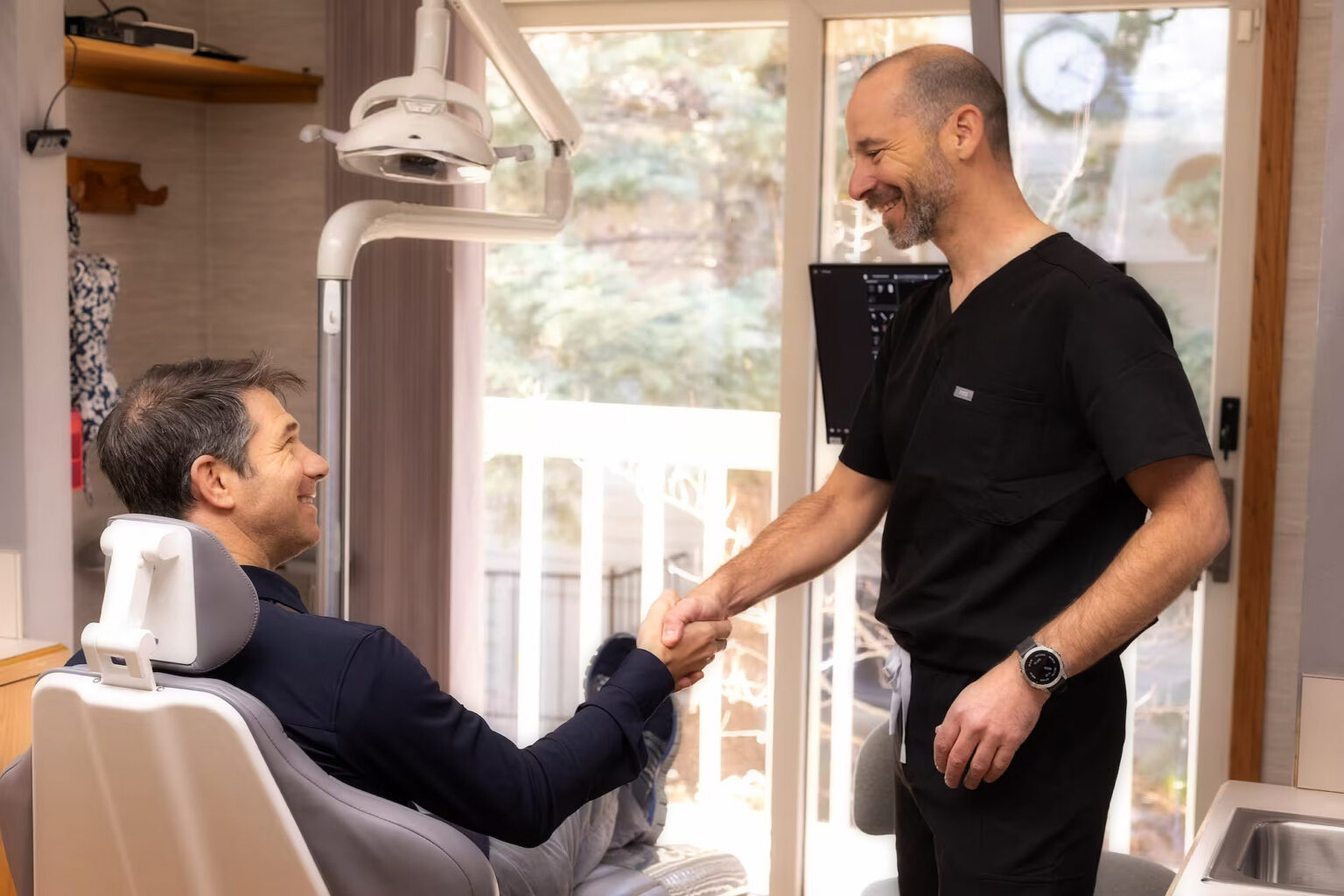

If you have ever been told, “Your general dentist can handle that,” and on another visit heard, “You’ll need a specialist,” the distinction can feel blurry. Both are dentists. Both work in oral health. Both may practice in modern offices with similar equipment, from digital X-rays to intraoral scanners. Yet their training, scope of work, and day-to-day clinical decisions can differ in meaningful ways.
For patients, understanding that difference is useful for more than curiosity. It affects where you book an appointment, how quickly a problem gets solved, what your insurance may cover, and whether you are receiving the most appropriate level of care. It can also save you time and frustration. I have seen patients bounce between offices because they assumed every dentist does every procedure. Dentistry simply does not work that way.
At the center of most dental care is the General Dentist. Think of that role as the primary care doctor of oral health. A general dentist diagnoses common issues, treats a wide range of conditions, monitors changes over time, and helps coordinate care when a problem falls outside the routine or enters a more complex category. Specialists, by contrast, narrow their practice to one branch of dentistry and spend years developing advanced expertise in that area.
That simple version is accurate, but it leaves out the practical details. Those details are where patients usually get confused.
The role of a general dentist
A general dentist is the professional most people see for regular dental visits. Cleanings, exams, fillings, crowns, preventive care, and basic treatment planning usually start there. General dentists are trained to diagnose disease, restore damaged teeth, monitor the gums and bone, evaluate bite problems, and identify when something needs a different level of care.
What makes a good general dentist valuable is not only what they can do with their hands, but also what they can recognize early. A small crack before it becomes a fracture. Mild gum inflammation before it progresses into bone loss. A bite issue that explains recurring chipped fillings. The best general dentists spend a great deal of time not just treating problems, but spotting patterns.
Their training prepares them for broad practice. After dental school, many general dentists go directly into practice. Others complete a residency, often called a GPR or AEGD, which can provide additional experience with surgical procedures, medically complex patients, emergency care, implants, and hospital-based treatment. Even so, a general dentist remains a broad-based clinician. Breadth is the point.
This broader view matters. Oral health is rarely one isolated issue. A patient may come in for a sore tooth and leave with a diagnosis involving grinding, gum recession, an aging crown, and sinus pressure that changes the way the pain presents. A general dentist is often the one who connects those dots.
What makes a specialist different
A dental specialist first completes dental school, then undergoes additional years of formal training in a specific area. That extra training is not a weekend course or a certificate from a short continuing education program. It is structured postgraduate education focused deeply on one discipline, often with intensive surgical, diagnostic, and case-management experience.
This changes the nature of the work. Specialists tend to see narrower categories of problems, but they see them repeatedly, at volume, and often at greater complexity. That repetition builds judgment. It is one thing to perform a root canal now and then. It is another to spend years treating difficult canals, retreating failed cases, and managing unusual anatomy under magnification every day.
A specialist’s office may also be organized around the demands of that discipline. An endodontist, for example, may have microscopes, advanced imaging, and a workflow designed around urgent tooth pain and highly technical canal treatment. An orthodontist’s office is built around growth, bite correction, and long-term movement of teeth. A periodontist may focus heavily on gum surgery, bone loss, implant site development, and maintenance of compromised dentitions.
That depth can make a major difference in complex cases. It does not mean a specialist is “better” than a general dentist in every sense. It means they are better equipped for certain kinds of problems.
The main specialties patients encounter most often
Patients do not need to memorize the full map of dentistry, but it helps to know the common lanes:
- Orthodontist: focuses on tooth movement and bite correction, using braces, aligners, and other appliances.
- Endodontist: focuses on the inside of the tooth, especially root canal treatment and retreatment.
- Periodontist: focuses on the gums, supporting bone, periodontal disease, and many implant-related procedures.
- Oral and maxillofacial surgeon: handles extractions, impacted teeth, jaw surgery, facial trauma, and other surgical needs.
- Pediatric dentist: focuses on infants, children, adolescents, and patients with special behavioral or developmental needs. General Dentist
There are other recognized specialties, including prosthodontics, oral pathology, dental public health, oral radiology, and dental anesthesiology, but the five above account for many of the referrals patients see in everyday practice.
Where the line is, and why it is not always fixed
One source of confusion is that the line between a General Dentist and a specialist is not perfectly rigid in real life. Some general dentists place implants. Some perform root canals routinely. Some do orthodontic treatment with clear aligners. Some extract wisdom teeth, depending on training and case difficulty. Meanwhile, some specialists practice in ways that overlap with services available in general offices.
This does not mean the distinction is meaningless. It means dentistry operates on a spectrum of training, comfort, case selection, and complexity.
A useful analogy is medicine. A family physician may manage high blood pressure, diabetes, and skin rashes very well. At a certain level of complexity, a referral to cardiology, endocrinology, or dermatology makes more sense. The family physician is not failing. They are triaging appropriately. Dentistry often works the same way.
The best dentists know both their abilities and their limits. That is a sign of professionalism, not weakness. In fact, I tend to trust clinicians more when they can explain clearly why a case is suitable for in-office treatment or why it should move to a specialist.
Training depth changes decision-making
Patients sometimes assume the difference is mostly technical, as if a specialist simply has steadier hands. Technical skill matters, but the bigger difference is often judgment.
A specialist sees enough variation to anticipate problems before they happen. An endodontist may review a scan and notice a hidden canal configuration that would be easy to miss. A periodontist may recognize that gum recession is tied not only to brushing habits, but also to tooth position and bite forces. An oral surgeon may spot a nerve relationship near an impacted wisdom tooth that changes the entire risk discussion.
That kind of judgment can alter treatment plans in quiet but important ways. It may mean choosing a different incision, sequencing treatment in a different order, delaying a procedure until inflammation resolves, or deciding that saving a tooth is less predictable than replacing it. Those decisions are not dramatic from the waiting room, but they often determine the long-term result.
This is why a case that seems simple to a patient may not be simple clinically. Pain in one molar might actually involve a crack pattern, gum defect, and bite trauma at the same time. The correct provider is the one whose training best matches the dominant problem.
What a general dentist usually handles well
Most dental needs do not start with a specialist. They start and often finish with a general dentist. For routine care, this is exactly where most people should be.
A General Dentist commonly manages preventive visits, oral cancer screenings, cavity treatment, simple crowns, night guards, early gum disease, dentures, bridges, and many forms of restorative maintenance. They also help patients make practical decisions. Should a heavily filled tooth get a crown now or can it wait? Is a sensitive area watchable or does it need immediate treatment? Is a child’s crowding mild, or is it time for an orthodontic consultation?
That broad role is one reason continuity matters. Seeing the same general dentist over time can be more valuable than patients realize. A clinician who has old X-rays, knows your habits, remembers which tooth flared up two years ago, and has seen how your gums respond to home care has context that a new office may lack.
The relationship side matters too. Many people are more willing to ask questions, admit dental anxiety, or follow through with treatment when they trust their primary dental office. Good dentistry is not only about procedures. It is also about communication, timing, and realistic planning.
When a specialist is the better choice
There are moments when a referral is clearly in the patient’s best interest. Severe pain with difficult root anatomy is a common example. Advanced periodontal disease is another. A child with treatment anxiety and extensive decay may do best with a pediatric dentist. Impacted wisdom teeth close to the nerve often belong in an oral surgery office.
Sometimes the issue is not complexity alone, but efficiency. A specialist may be able to complete treatment faster, with equipment and protocols designed for that exact problem. A molar root canal that might take significantly longer in a general practice can be more straightforward in an endodontic setting. For the patient, that can mean less chair time, less stress, and sometimes a more predictable result.
There is also the matter of risk. Some procedures carry higher stakes if things do not go smoothly. When anatomy is challenging or the prognosis uncertain, advanced training can reduce complications. No clinician can eliminate risk entirely, but matching the case to the right provider improves the odds.
General DentistReferrals are not bad news
Many patients hear “I’m referring you to a specialist” and assume the problem must be serious. Not necessarily. A referral may simply mean your dentist wants the most efficient or conservative path. It may also reflect the office’s philosophy. Some general dentists prefer to keep a broad range of procedures in-house. Others refer earlier. Neither approach is automatically right or wrong. What matters is whether the decision is clinically sound.
A well-handled referral should feel coordinated, not like a handoff into the void. Ideally, your general dentist sends notes, X-rays, and a clear reason for the referral. The specialist evaluates the issue, performs the needed treatment if appropriate, then communicates back. After that, the patient often returns to the general office for ongoing maintenance.
That back-and-forth is normal. In fact, it is often a sign that the system is working well.
The insurance question patients always ask
Many people assume insurance draws a clean line between general and specialist care. It often does not. Dental plans vary widely. Some plans allow direct specialist visits. Others encourage referral patterns. Some reimburse specialist services at different rates. Certain procedures may be covered regardless of provider type, while others have restrictions or waiting periods.
This matters because cost can influence decision-making more than patients expect. A general dentist may offer a treatment at one fee, while a specialist charges another based on complexity, technology, or office structure. Sometimes the difference is modest. Sometimes it is substantial.
Still, cost should be weighed against difficulty and predictability. The cheapest route is not always the most economical if it leads to retreatment, complications, or a lower chance of success. I have seen patients delay specialist care for months to save money, only to end up needing a more expensive solution after the tooth deteriorated further. That is not always avoidable, but it is common.
The best move is to ask direct questions before treatment begins. What is the diagnosis? Why is a specialist recommended? Could a general dentist reasonably do this? What are the trade-offs in outcome, time, and fee? Good offices answer these clearly.
Overlap does not mean equal experience
One of the most misunderstood parts of dentistry is procedural overlap. A general dentist may be legally permitted to perform a treatment that a specialist performs every day. Those facts can both be true.
For example, many general dentists do excellent root canals. Many also place implants competently, especially after substantial training and years of focused practice. At the same time, there are difficult cases in which a specialist’s narrower, deeper experience becomes important. The distinction often comes down to case selection.
This is where patients benefit from nuance. It is not useful to ask, “Can a general dentist do this?” The better question is, “How often does this dentist do this procedure, how complex is my case, and what is the backup plan if complications arise?” Frequency matters. Complexity matters. Communication matters.
A straightforward front-tooth root canal in an accessible tooth is not the same as a second molar with curved canals, prior treatment, and limited opening. A single implant in ideal bone is not the same as full-mouth reconstruction with grafting and bite instability. The label on the door matters, but the specifics of the case matter more.
How patients can decide where to go
If you are trying to choose between staying with your general office and seeing a specialist, a few practical questions can clarify the path:
- How complex is the case? Ask whether your anatomy, symptoms, or treatment history make this more difficult than average.
- How often does this provider perform the procedure? A dentist who does a treatment weekly is in a different position from one who does it occasionally.
- What are the expected success rates and risks in my situation? You do not need exact promises, but you do need a realistic picture.
- Will seeing a specialist change the treatment plan or simply confirm it? Sometimes the referral is for execution, other times for diagnostic judgment.
- Who handles follow-up care? Knowing whether you return to your General Dentist or remain under specialist care prevents confusion later.
Those questions are not confrontational. They are responsible. A confident clinician should be able to answer them in plain language.
Real-world examples where the difference matters
Consider a patient with bleeding gums and loose lower front teeth. A general dentist can diagnose periodontal disease and may begin non-surgical therapy, but if bone loss is advanced and surgery or regeneration is being considered, a periodontist may provide better long-term options. That does not diminish the general office’s role. The general dentist often catches the problem, initiates treatment, and coordinates maintenance afterward.
Or take the classic “I need my wisdom teeth out” scenario. Some wisdom teeth are fully erupted, visible, and simple to remove. Others are buried in bone, angled against adjacent teeth, or close to the nerve in the lower jaw. These are not equivalent cases. Patients tend to describe both as “wisdom tooth extraction,” but the surgical planning is very different.
Then there is pediatric care. Many children do well in a general office, especially for routine visits and small fillings. But children with extensive treatment needs, strong gag reflexes, sensory issues, or significant anxiety often benefit from a pediatric dentist whose training includes behavior guidance and age-specific treatment strategies. Parents usually notice the difference immediately in how the appointment is paced and explained.
Orthodontics offers another useful example. A general dentist may provide clear aligner treatment for mild spacing or crowding. That can be a sensible choice for the right adult patient. More complicated bite discrepancies, growth-related concerns, impacted teeth, or cases requiring significant movement usually belong with an orthodontist. Teeth can be moved in many directions. The question is whether they should be moved that way, and what it means for the bite at the end.
Why the relationship between providers matters
Patients often think in terms of choosing one provider over another, but in many cases the best care comes from collaboration. A specialist may solve the immediate problem, while the general dentist maintains the result. An endodontist can save a tooth with root canal therapy, but the tooth may still need a well-designed crown placed by the general dentist to protect it from fracture. A periodontist may stabilize gum disease, but long-term success depends heavily on regular maintenance, home care, and restorative planning.
This team approach is one of the strengths of dentistry when it works properly. It avoids forcing one office to be everything for everyone. It also creates checks and balances. Different clinicians may notice different risks, and that can improve outcomes.
Patients benefit most when offices communicate clearly and avoid territorial behavior. The aim should never be to keep every procedure in-house at all costs. The aim is to preserve oral health with the best combination of skill, timing, and judgment.
What the difference means for your next appointment
For most people, the first call should still be to a general dental office. That is where diagnosis begins, records are built, routine care happens, and many common problems are resolved. A General Dentist remains the foundation of long-term dental health for the average patient.
Specialists enter when the problem becomes narrower, deeper, riskier, or more technically demanding. Their value is not that they replace general dentists. It is that they extend what dentistry can do safely and predictably in harder cases.
If your dentist recommends a referral, that recommendation is often a sign of thoughtful care. If your issue seems straightforward, ask whether it can be treated in the general office and what factors would change that answer. If the case is complicated, do not hesitate to seek specialist input early. Waiting rarely makes dental problems simpler.
The difference, then, is not merely title or office décor. It is training, focus, repetition, and judgment applied to the right case at the right time. Patients who understand that are better equipped to make calm, informed decisions, and usually end up with smoother care because of it.
Aspenwood Dental Associates and Colorado Dental Implant Center
2900 S Peoria St Ste C, Aurora, CO 80014, United States
+1 303-731-4037
FAQ About General Dentist
How long do teeth fillings last in Aurora, CO?
Fillings can last for years, but they are not lifetime restorations. Their durability depends on the material, the size and location of the filling, chewing forces, and oral hygiene. A general dentist can examine a filling for wear, damage, or new decay and explain whether monitoring, repair, or replacement is appropriate. Age alone does not establish that a filling needs replacement.
How Can I Reduce Dental Anxiety?
Tell the dental team about your concerns when booking and again at your visit. Ask for an explanation of each step, agree on a signal for breaks, and consider slow breathing or headphones if the practice permits them. Discuss pain control and any sedation options with the dentist; suitability depends on your health, medicines, and planned treatment.
When should your child first see a dentist in Aurora?
Arrange the first dental visit within six months after the first tooth appears and no later than the first birthday. Early visits allow the dentist to assess development and discuss brushing, fluoride, feeding habits, and cavity prevention. Ask the practice whether it sees infants and how it handles referrals when a child needs specialist care.